VII · vii.heureka.digital

Visual Image Intelligence
Rendering dimensional behaviour in images and image series

Light bends. Colour shifts. Curvature emerges. This is Visual Image Intelligence.
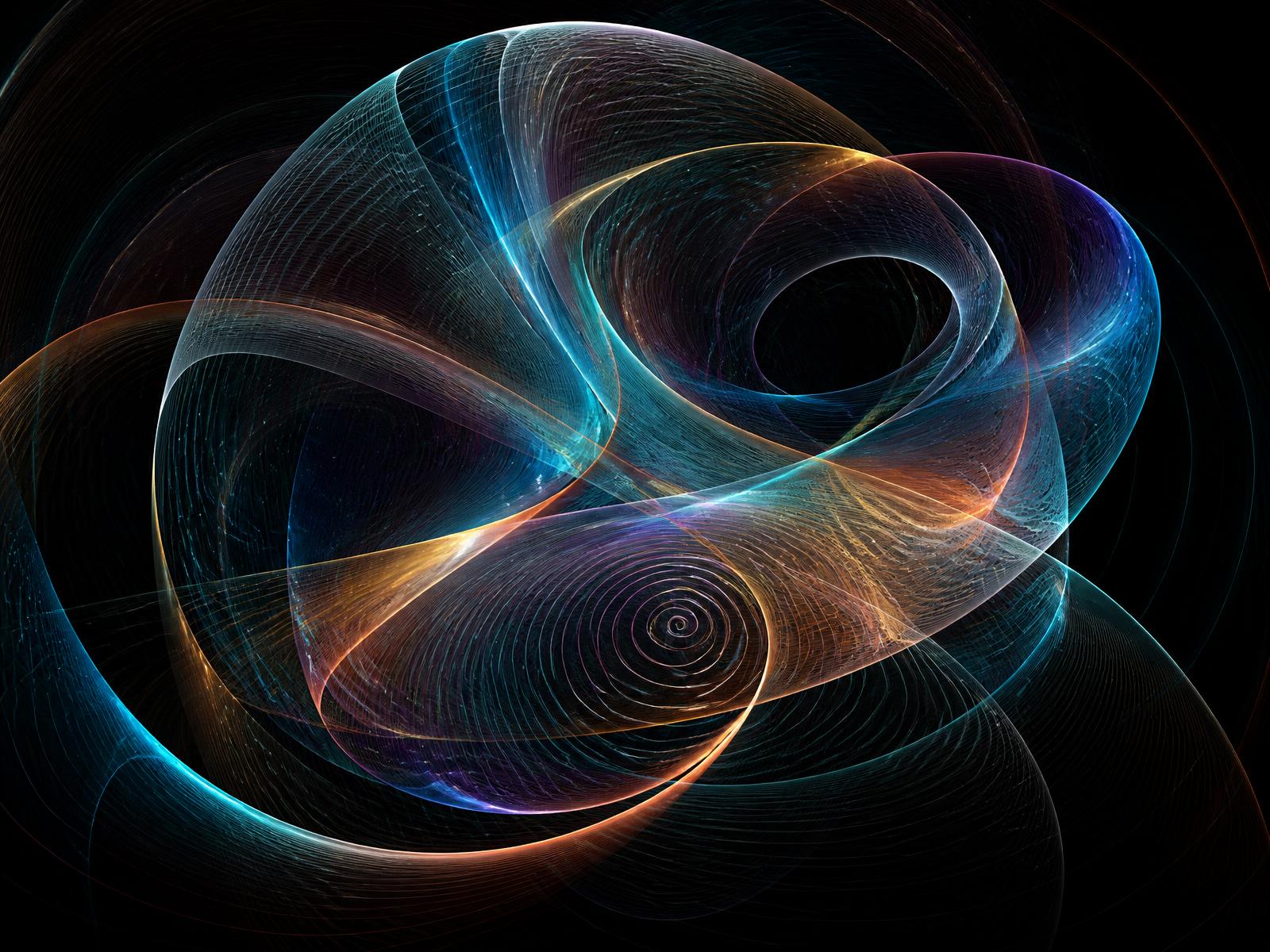
A VII dimensional field: curvature fragments and chromatic coherence rendered from an optical capture
Dimensional field — curvature, chroma and coherence in one rendering.

The engine

VII is the visual intelligence engine of HEUREKA.digital. It reveals how images behave — through curvature, chroma, coherence, and change or stability over time.

Position

VII is the visual counterpart to ADI's numeric VDI (Visual Data Intelligence).

See the rendering
01 · The engine

VII is pure visual dimensional intelligence.

VII is not a numeric preprocessor.

VII is not an optical simulator.

VII is pure visual dimensional intelligence.

It renders dimensional fields using

  • mDC — multi-Dimensional Curvature
  • perceptual alignment — channel generalisation
  • LCC — Lumo · Chrono · Chroma
  • DCO — optical behaviour

VII Rendering Stack

mDCpyrootLCCDCOdimensional field
02 · Demonstration

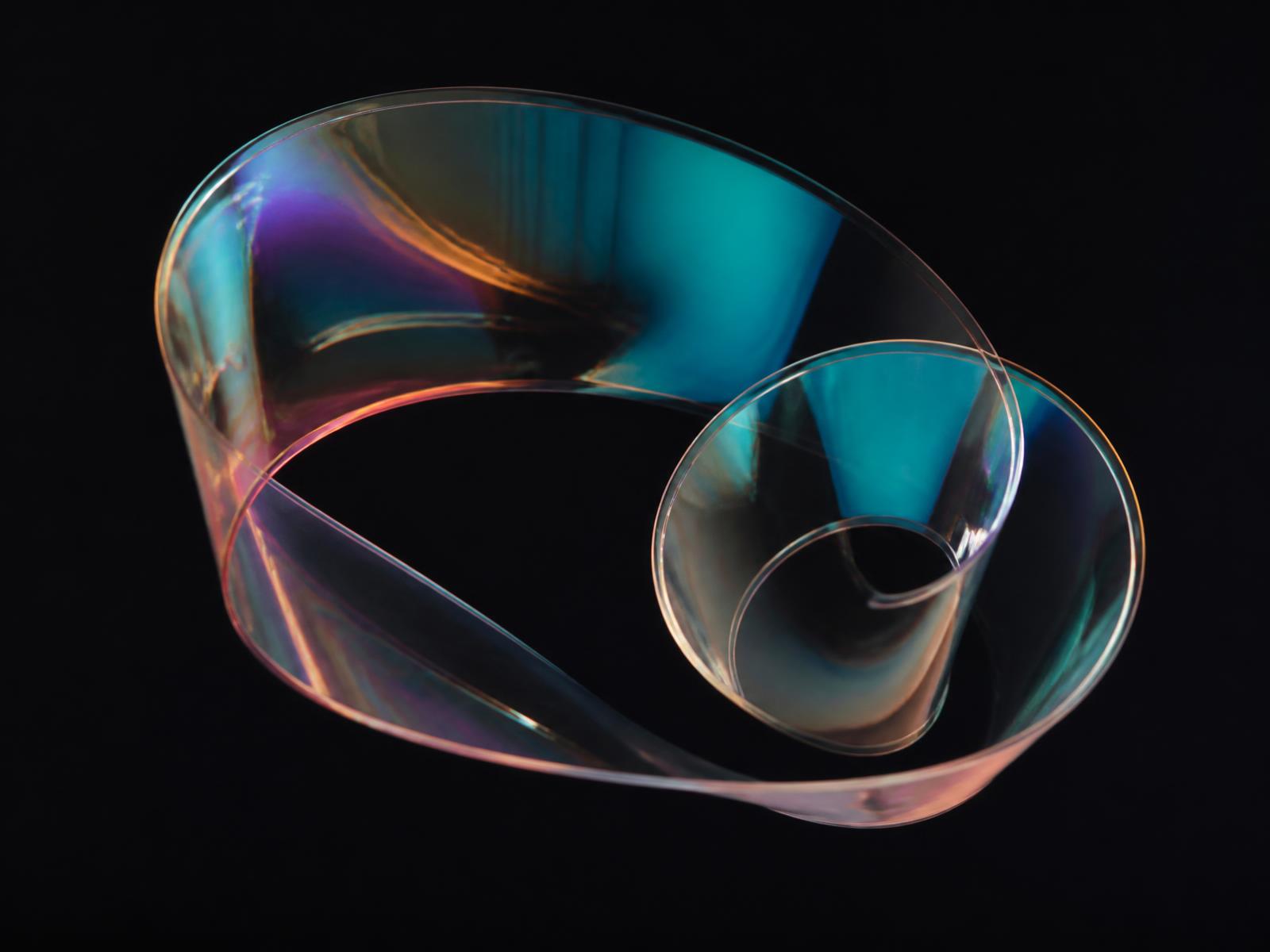
Original image → dimensional field

Drag the slider. The input image is aligned to its perceptual root so that curvature and chroma behave naturally. Only the final dimensional field is shown.

Default — all channels balanced into one perceptual root.

These four modes represent the complete RGB curvature space: unified, R-dominant, G-dominant, B-dominant.

Channel Behaviour

VII needs channel modes because curvature and chroma do not behave the same across every input. Channel modes let the engine foreground how one colour band influences form, how another influences chromatic drift, and how the perceptual root keeps the result aligned to human vision.
  • ·Curvature influence — which channel bends the form
  • ·Chroma influence — which channel drives colour motion
  • ·Temporal drift — how channels shift across a series
  • ·Perceptual alignment — channels generalised to the visual root
VII dimensional field showing curvature and chromatic coherence
Original translucent optical form before VII rendering
OriginalDimensional field

The VII rendering reveals

  • curvature fragments
  • chromatic coherence
  • perceptual depth
  • structural behaviour
  • stability and drift

Pyroot Alignment

Before VII renders curvature and chroma, it aligns the image to its perceptual root. This root anchors the colour channels to the way human vision actually balances them, so the resulting dimensional field is stable and interpretable.

03 · Rendering grammar

Four behaviours. One dimensional field.

G1 Curvature Rendering

mDC

How form bends, gathers and coheres across the image plane.

  • circular fragments
  • elliptic fragments
  • curvature envelopes
  • coherence fields

G2 Chroma Rendering

DCM

How colour holds, moves and drifts as a dimensional behaviour.

  • palette behaviour
  • chromatic calmness vs. motion
  • chromatic drift

G3 Temporal Rendering

LCC

How visual states remain stable or change through time.

  • stability vs. drift
  • periodic behaviour
  • temporal coherence

G4 Optical Rendering

DCO

How orientation and palette geometry create an optical signature.

  • palette geometry
  • diagonal activation
  • orientation
  • optical signature

VII integrates all four behaviours into a single dimensional field.

04 · What VII works with

Universal visual input

VII Works With…

  • ·Single images
  • ·Image series
  • ·Visual time series
  • ·Scale bands
I1

Single Images

  • photographs
  • scans
  • optical captures
I2

Image Series

  • temporal behaviour
  • stability & drift
  • chromatic evolution
I3

Visual Time Series

  • daily cycles
  • seasonal cycles
  • periodic behaviour
I4

Scale Bands

  • optical input parameters
  • DCO integration

VII is the universal visual image engine for HEUREKA.

05 · Two visualisation engines

VII vs VDI-Data

VII — Visual Image Intelligence

  • visual input
  • mDC — multi-Dimensional Curvature
  • pyroot perceptual alignment
  • LCC — Lumo · Chrono · Chroma
  • DCO — optical behaviour

VDI-Data — Visual Dimensional Intelligence

  • numeric input
  • OD — optical dimensional transform
  • triple transform
  • matrices
Two visualisation engines.Two metric grammars.Two domains.No overlap.